
(720) 414-6965
Call for a free consultation
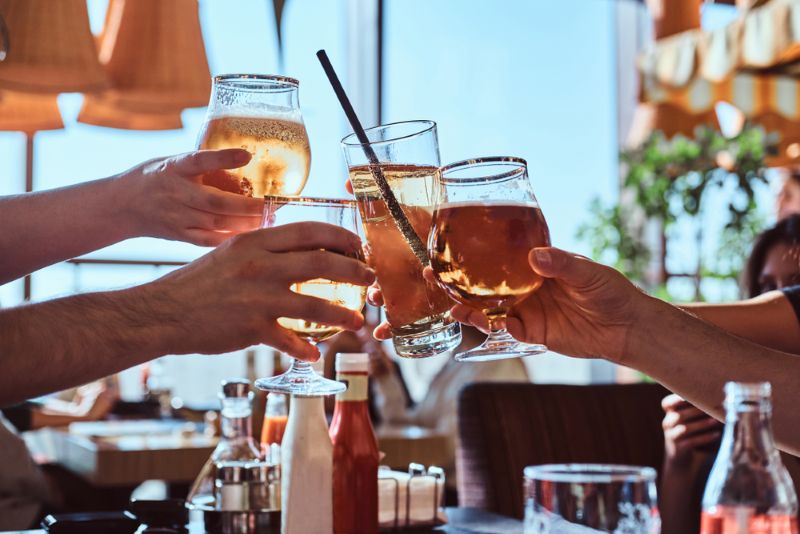
After a drunk driving accident, the impaired driver is often the first person considered responsible for the crash. In some Colorado cases, however, liability may extend beyond the driver. A bar, restaurant, or other alcohol vendor may potentially face a claim when alcohol was provided under circumstances covered by Colorado's dram shop law.
These cases are not as simple as showing that a driver consumed alcohol at a particular establishment before causing an accident. Colorado law places specific requirements and limitations on claims against businesses that sell alcohol.
At Walker Law, we help people injured in Colorado drunk driving accidents investigate how the crash happened, where the driver obtained alcohol, and which parties may potentially bear responsibility for the resulting injuries.
"Dram shop" is a term used for laws that address when a business selling alcohol may be held liable for injuries caused by an intoxicated customer. Colorado has a dram shop law that can apply in limited circumstances.
For an injured person, this can potentially provide another source of recovery in addition to a claim against the drunk driver. However, a bar is not automatically liable simply because it served alcohol to someone who later caused a collision.
The circumstances surrounding the alcohol service matter. An investigation may focus on questions such as:
Establishing the timeline can be one of the most important parts of investigating potential dram shop liability.
Colorado law limits the circumstances in which an alcohol vendor can be held responsible for injuries caused by a customer. One important issue is whether the business willfully and knowingly served alcohol to someone who was visibly intoxicated.
This standard makes evidence about the driver's behavior inside the establishment particularly important. A blood alcohol result obtained after a collision may provide information about intoxication, but a dram shop case can also require evidence concerning what employees could observe when alcohol was being served.
Our Denver drunk driving accident attorneys can investigate both the driver's conduct and the circumstances surrounding alcohol service when evaluating potential sources of liability.
Because evidence held by a bar or restaurant may not remain available indefinitely, investigating the issue promptly can be important.
Visible intoxication generally concerns outward signs that a person has consumed enough alcohol to display noticeable impairment.
Someone's blood alcohol concentration does not necessarily reveal exactly what a bartender or server observed at a particular moment. For that reason, witness testimony, video recordings, receipts, and other evidence may become important.
Possible signs of intoxication can include:
The presence or absence of a single sign does not necessarily resolve the case. Evidence is generally considered together to determine what occurred while the customer was being served.
A person seriously injured in a drunk driving accident may have little information about where the driver was before the collision. An investigation can help reconstruct those hours.
Receipts and transaction records may show what was purchased and when. Surveillance footage could reveal how long the driver remained at an establishment and how the person appeared while interacting with employees.
Potential evidence can include:
Some of this evidence may be controlled by businesses or third parties rather than the injured person. Taking steps to identify and preserve it early can therefore be important.
Colorado's alcohol liability laws also address the service of alcohol to people under the legal drinking age. Depending on the circumstances, providing alcohol to a minor who later causes an accident may create potential liability.
Evidence regarding the customer's age and the manner in which alcohol was obtained may become central to the claim.
An investigation may consider whether identification was requested, what identification was presented, who purchased the alcohol, and whether employees knew the customer's age.
Cases involving underage drinking can also involve questions about other individuals or social hosts. The applicable rules depend on who provided the alcohol and the specific circumstances in which it was furnished.
Potential liability on the part of a bar does not mean the drunk driver escapes responsibility.
A driver has a duty to operate a vehicle safely. When someone chooses to drive while impaired and causes a collision, that driver's conduct can form the basis of a personal injury claim.
A drunk driving accident case may therefore involve more than one potentially responsible party. Depending on the facts, the investigation may consider:
Identifying all potentially responsible parties can be particularly important when a crash causes catastrophic injuries or other substantial losses.
Severe drunk driving accidents can produce financial losses that exceed the resources or insurance coverage available from an individual driver.
An injured person may face emergency treatment, surgery, hospitalization, rehabilitation, and future medical care. Serious injuries can also prevent someone from returning to work or permanently reduce earning capacity.
Potential damages in a Colorado drunk driving accident case may include:
When another party may share responsibility for the crash, investigating that possibility can help establish the full scope of the claim.
Claims involving alcohol vendors can be subject to rules and deadlines that differ from those involved in an ordinary negligence claim. Waiting too long can jeopardize the ability to pursue compensation even when evidence suggests that improper alcohol service occurred.
This makes early legal review particularly important when there is reason to believe the drunk driver had been drinking at a bar or restaurant shortly before the collision.
Prompt action can also help preserve evidence. Surveillance systems may overwrite old footage, employees may change jobs, and witnesses may become more difficult to locate as time passes.
An attorney can evaluate the applicable deadlines while investigating the circumstances surrounding both the alcohol service and the crash.
An injured person does not necessarily need to know where the impaired driver obtained alcohol before speaking with an attorney.
Information can sometimes be developed through the investigation. Police reports may identify where the driver had been earlier in the evening, while witnesses, receipts, phone records, social media activity, or financial transactions may provide additional leads.
Statements made by the driver can also become relevant. In some cases, law enforcement officers ask where and when the person last consumed alcohol as part of the DUI investigation.
The goal is to build a timeline showing the driver's activities before the collision and determine whether another party's conduct should be examined.
Medical care should be a priority after any serious collision. Some injuries may not be fully understood immediately, and medical records can document how symptoms developed following the crash.
In addition, injured people should preserve documents connected to the accident and avoid discarding communications from insurance companies or other parties.
Helpful steps can include obtaining the crash report, keeping medical records and bills, saving photographs, preserving witness information, and documenting missed work. If there is reason to believe a bar served the driver before the crash, that information should be shared with an attorney as early as possible.
A broader investigation can then determine whether the claim should focus solely on the impaired driver or whether potential dram shop liability also needs to be examined.
If you are dealing with injuries caused by a drunk driving accident in Denver or elsewhere in Colorado, our attorneys are here to help. We can investigate the impaired driver, determine whether a bar or another party may also bear responsibility, and explain your options for pursuing compensation. Call us today or connect with us online to schedule a consultation.