
(720) 414-6965
Call for a free consultation
Rideshare services have become part of everyday transportation in Denver. Uber and Lyft drivers carry passengers throughout downtown, to and from Denver International Airport, and across neighborhoods throughout the metro area. Denver has also recently added another option with the arrival of Waymo’s driverless taxi service.
When one of these vehicles is involved in an accident, determining who is financially responsible can be more complicated than after an ordinary two-car crash. The rideshare driver, another motorist, a rideshare company’s insurance policy, or multiple insurers may become involved.
At Walker Law, we help people injured in Denver auto accidents investigate fault, identify available insurance coverage, and pursue compensation from the responsible parties.
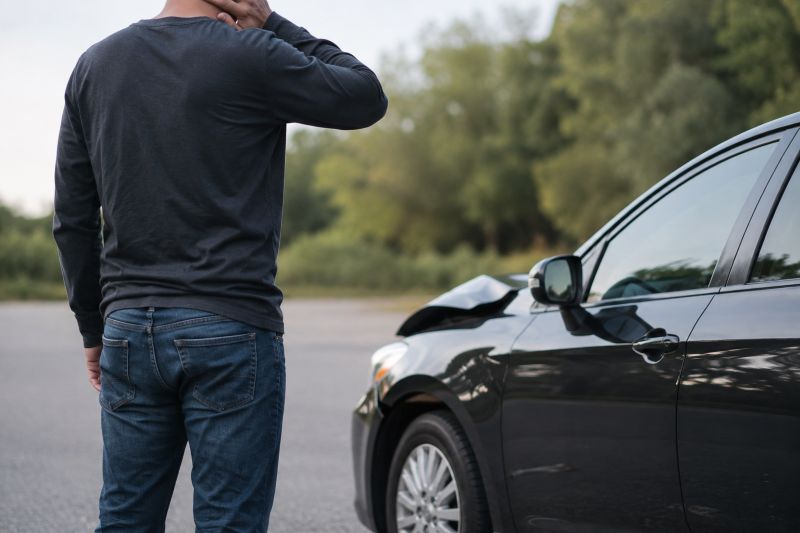
Liability starts with determining who caused the collision.
Uber and Lyft drivers are subject to the same basic traffic rules as other motorists. A rideshare driver may cause an accident by speeding, following too closely, running a red light, making an unsafe turn, or driving while distracted.
Other motorists can also cause crashes involving rideshare vehicles.
Depending on the circumstances, potentially responsible parties may include:
The rideshare company’s insurance coverage may also become important, but whether that coverage applies can depend on what the driver was doing at the time of the collision.
Our Denver auto accident attorney can investigate the circumstances surrounding a crash and determine which insurance policies may apply.
Uber and Lyft maintain insurance coverage for certain accidents involving drivers using their platforms. However, the amount and type of available coverage can depend heavily on the driver’s status when the crash occurred.
That status can generally be divided into several situations.
If the driver was not logged into the rideshare app, the driver’s personal auto insurance may be the primary source of coverage.
If the driver was logged in and available to accept a ride but had not yet accepted one, different rideshare insurance coverage may apply.
Once a driver has accepted a ride and is traveling to pick up a passenger, or when a passenger is already in the vehicle, another level of rideshare coverage may apply.
Determining the driver's status at the exact time of a Denver collision is therefore an important part of investigating the insurance claim.
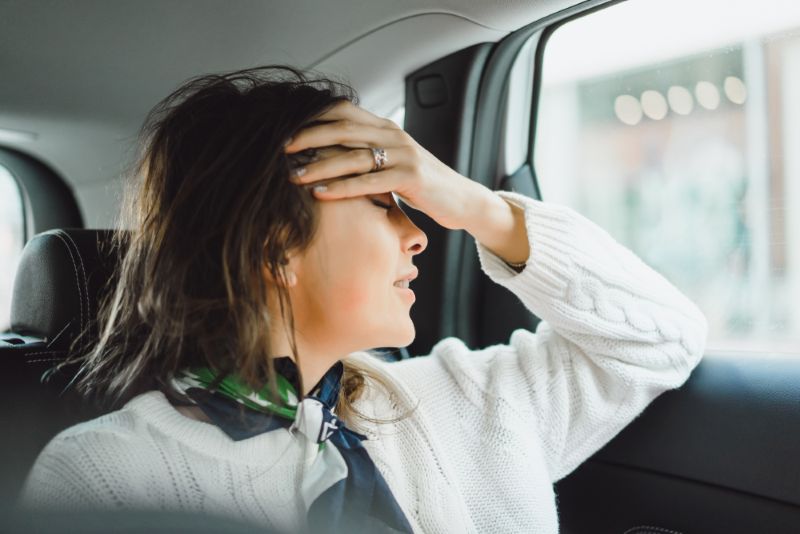
Passengers are often in a different position from the drivers involved because they usually have little or no responsibility for causing the collision.
Suppose you order an Uber in downtown Denver. During the trip, your driver runs a red light and collides with another vehicle. Evidence may establish that the Uber driver caused the accident.
Now imagine the rideshare driver had a green light and another vehicle ran the red light. The other driver may instead be primarily responsible.
From the injured passenger's perspective, the important questions become who caused the accident and what insurance coverage is available.
There may also be situations where both drivers share responsibility.
Not every rideshare accident is the Uber or Lyft driver’s fault.
If another Denver motorist negligently crashes into the rideshare vehicle, that driver's liability insurance may be the primary source of compensation.
Problems can arise when the at-fault motorist has insufficient insurance or no insurance at all.
Additional coverage associated with the rideshare trip may then become important, depending on the circumstances and applicable policies.
This is why identifying insurance coverage should happen early in a serious rideshare accident claim. It is not enough to know that a crash involved an Uber or Lyft. The driver's status, the at-fault party's coverage, and other available policies should all be investigated.
Rideshare accidents can produce valuable electronic evidence that may not exist in a traditional car accident.
The Uber or Lyft app may contain information concerning the driver's status, trip, pickup location, destination, and timing.
Other evidence can include:
In a disputed Denver accident, these sources can help reconstruct what happened.
For example, photographs may establish vehicle positions and points of impact, while surveillance footage could show which driver entered an intersection against a traffic signal.
Rideshare drivers depend heavily on smartphones.
Drivers use apps to accept rides, follow navigation instructions, communicate with passengers, and receive information about upcoming trips. Although those functions are central to rideshare work, interacting with a device can become dangerous when it distracts someone from driving safely.
A Denver rideshare accident investigation may examine whether the driver was using a phone immediately before the crash.
Distraction is not limited to texting. Looking down at navigation, adjusting an app, searching for a passenger, or focusing on the screen instead of traffic can potentially contribute to an accident.
The mere fact that a rideshare app was running does not prove negligence. Evidence must connect the driver's conduct to the collision.
Yes.
Colorado follows a modified comparative negligence system, which means responsibility for an accident can sometimes be divided among multiple parties.
Consider a collision where an Uber driver makes an unsafe lane change while another driver is speeding. An investigation may conclude that both drivers contributed to the crash.
Insurance companies frequently disagree over percentages of responsibility because the allocation of fault can affect how much they must pay.
Evidence such as vehicle damage, witness accounts, photographs, video, and accident reconstruction can become especially important when each driver blames the other.
You do not have to be a rideshare passenger to have a rideshare accident claim.
Denver motorists, pedestrians, cyclists, and motorcyclists can all be injured by negligent Uber or Lyft drivers.
If you are driving your own vehicle and an Uber driver causes a collision, the claims process may involve determining the driver's rideshare status.
That status can affect whether you are dealing primarily with the driver's personal insurer, coverage associated with the rideshare platform, or both.
Do not rely solely on what the driver tells you at the accident scene.
Collect ordinary insurance information, document that the vehicle was being used for rideshare purposes if possible, and report the accident to law enforcement when appropriate.
Denver’s rideshare landscape now includes autonomous vehicles.
Waymo began offering driverless rides to the Denver public in September 2026. The arrival of autonomous taxis adds a newer liability question because there may be no human rideshare driver controlling the vehicle.
Denver has already experienced a Waymo-involved collision. In the first reported incident, the Waymo was stopped to yield to a pedestrian when another collision caused a vehicle to rear-end it. That example also illustrates an important point: the presence of a driverless vehicle does not automatically mean the autonomous vehicle caused the crash.
Accidents involving Waymo or another autonomous vehicle may require examining vehicle data, software information, video, the actions of surrounding motorists, and the company's insurance coverage.
For now, Uber and Lyft remain the more familiar rideshare accident scenario, but Denver drivers should expect autonomous vehicles to become an increasingly relevant part of local accident law.
The steps you take after a collision can affect your ability to document what happened.
If you are physically able:
If you were a rideshare passenger, preserve the trip information immediately. Your app may provide useful evidence about the driver's identity, route, pickup time, and trip status.
A person injured because of another party's negligence may be able to seek compensation for losses caused by the accident.
Depending on the circumstances, damages may include:
Serious injuries can make identifying all available insurance especially important.
A rideshare collision resulting in surgery, permanent impairment, or substantial time away from work can create losses that extend far beyond the initial emergency room bill.
The fundamental question in a Denver rideshare accident is still who caused the collision. What makes these cases different is the additional insurance and technology involved.
With Uber and Lyft, the driver's app status can affect available coverage. When several motorists share responsibility, multiple insurers may become involved. With newer autonomous services such as Waymo, electronic vehicle information may become even more important.
At Walker Law, we investigate Denver auto accidents with these issues in mind. Establishing fault is only one part of the process. We also look at the available insurance coverage and evidence needed to pursue compensation for the full impact of an injury.
Uber, Lyft, and now Waymo provide Denver residents and visitors with convenient transportation, but accidents involving these services can raise difficult questions about liability and insurance. Determining who caused the crash and which policies apply is critical when injuries result in medical expenses, lost income, and other losses.
If you are dealing with injuries after a rideshare accident in Denver, our attorneys are here to help. Call us today or connect with us online to schedule a consultation.